Advertisement
Advertisement





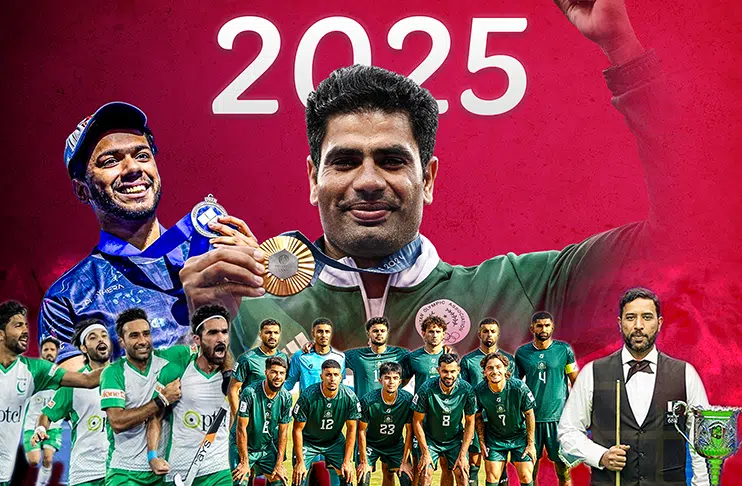
The year 2025 unfolded as a mixed but instructive period for Pakistan’s sporting landscape, marked by gradual progress in some disciplines and familiar challenges in others. Cricket, too, experienced a year of contrasts, while several other sports gave noteworthy moments.
Rather than a year of dramatic transformation, 2025 reflected steady progress across Pakistan sports.
Pakistan’s national sport, hockey, once dominant from the 1970s through the 1990s, has long mirrored the country’s broader sporting journey — from global supremacy to prolonged struggle.
In 2025, Pakistan hockey showed tentative signs of revival, moving cautiously from the crossroads toward modest but meaningful progress.
The year began on a historic note with the world champions, Germany, touring Pakistan, becoming the first international team to visit the country in 21 years. Although Pakistan lost the series 3-1 , the tour itself was a milestone, providing the Green Shirts with much-needed high-level exposure.
Beyond the result, the series served as a vital launchpad for the challenges ahead, with the exposure carried over to the FIH Nations Cup in June, where Pakistan exceeded expectations.
After opening the tournament with a draw against Malaysia, the Green Shirts got off the mark with a comprehensive win over Japan.
A defeat to New Zealand in the group stage could not halt their progress, and a superior goal difference over Malaysia booked their place in the knock-out round.
Although Pakistan ended on the losing side with a 6-2 loss against New Zealand, reaching the summit clash also opened the doors for the team’s inaugural participation in the FIH Pro League.
The impressive showing in the event brought tangible rewards as the hockey team climbed one spot in the FIH World Hockey Rankings and, more importantly, after New Zealand’s withdrawal from the Pro League, Pakistan got their maiden call-up to the tournament.
Financial hurdles threatened Pakistan’s participation, but the issues were eventually laid to rest, with the national team given the green light to feature in the prestigious event.
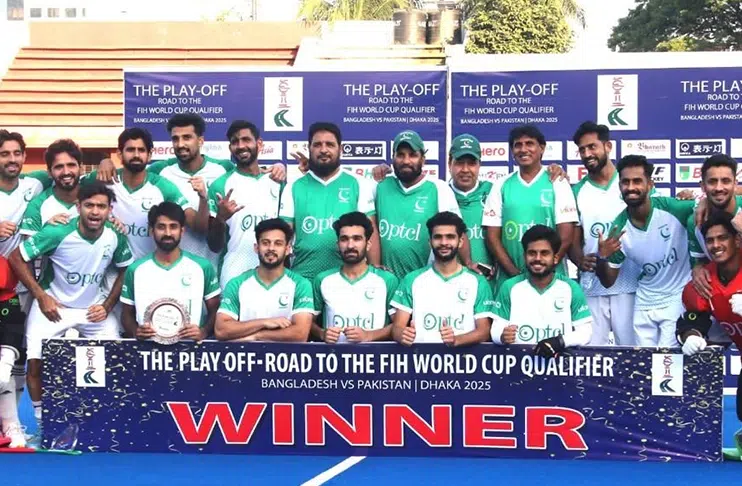
Away from the turf, political tensions between Pakistan and India cast a shadow over the game, marking the first time that three-time champions missed out on the tournament and also hanging their chances of qualifying for the FIH Hockey World Cup Qualifiers.
Those concerns eased after a clean-sweep series win over Bangladesh, securing a place in the qualifiers.
While the senior team demonstrated progress, the junior team once again provided hope.
Pakistan U17 hockey team enjoyed a dominant run at the Junior Asia Cup, but just like the senior team, success narrowly slipped away as they lost the final to Japan by a 3-0 margin.
Last but not least, the year concluded with a reality check in the Hocey Pro League. Heavy defeats against Argentina and the Netherlands exposed the gap Pakistan still needs to narrow at the elite level.
Yet, in 2025, there was a rekindled belief that, with sustained exposure and support, the national sport could move closer to its lost glory.
On the contrary, Pakistan football remained largely stuck in familiar territory throughout 2025.
The year unraveled much like past ones — marred by administrative turmoil, FIFA intervention, coaching changes, and disappointing results on the field.
2025 began on a challenging note when FIFA suspended the Pakistan Football Federation (PFF), once again barring Pakistan players and teams from international competitions.
One major development was a change in leadership, with Stephen Constantine departing and Nolberto Solano taking charge to inject fresh ideas and experiences into a struggling setup.
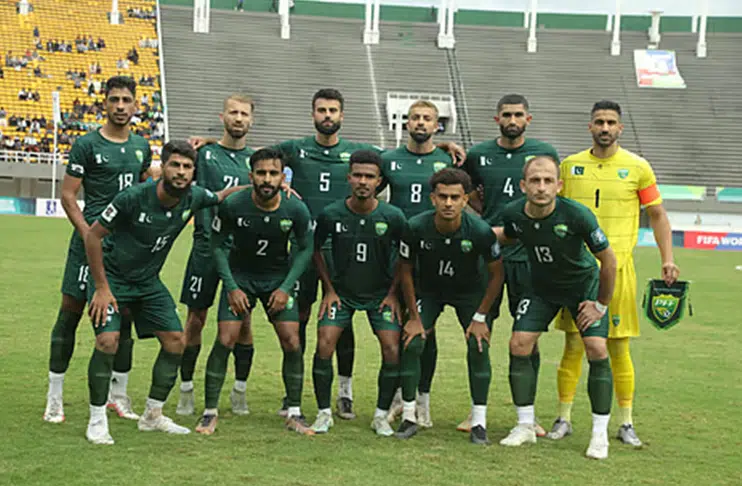
However, results in the AFC Asian Cup qualifiers remained disappointing, and the change did little to alter Pakistan’s fortunes in the short term.
Despite that, some moments offered a glimmer of hope in the shape of crowds at home international matches. The sizeable crowds at matches in Islamabad offered encouragement, underscoring football’s enduring appeal in the country, even when the results were not in its favor.
With significantly little to cheer, the year ended on a promising note with Pakistan women’s team receiving a maiden call-up for inclusion in the FIFA series.
The tournament is scheduled for March–April next year, will be played across Brazil, Ivory Coast, and Thailand, offering valuable exposure and experience at the global level.
Snooker remained among Pakistan’s most reliable sports in terms of results, with seasoned cueist Muhammad Asif leading the way with dominant performances throughout the year.
Asif started the year with a winning note, clinching the SAARC Snooker Championship and later securing the World Master Title. The IBSF World Snooker Championship held in Bahrain saw further success, including Youngster Hasnain Akhtar’s IBSF U-17 World title.
Pakistan’s success continued as Asif reached the semi-finals of the World Games in China, coming close to a medal finish.

The year concluded on a high note when Pakistan won the IBSF World Cup Team Championship, with Muhammad Asif and Asjad Iqbal staging a memorable comeback against Hong Kong.
Overall, 2025 proved to be a promising year for Pakistan snooker, reflecting consistency, international success, and a promising future.
Olympic Gold Medalist Arshad Nadeem once again spearheaded Pakistan’s Javelin campaign in 2025, launching the season with an emphatic gold in the Asian Athletics Championship.
However, his momentum was disrupted by recurring calf muscle injury, which required surgery. The injury ruled him out of the Diamond League and affected his performance in the World Athletics Championship, where he finished in 10th place.
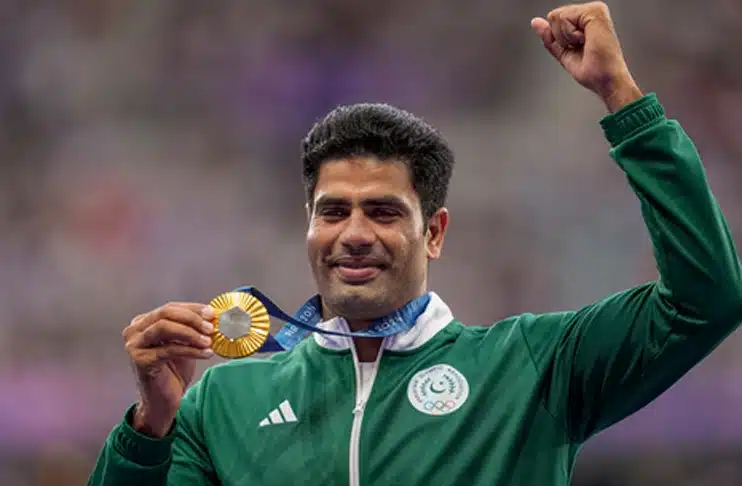
But the ace thrower bounced back in style at the 6th Islamic Solidarity Games, winning a gold medal, demonstrating his ability. Adding to the positives for Pakistan was Yasir Sultan’s silver-medal finish in the same event, signalling growing depth in the country’s javelin ranks.
Capping the year on a high, Arshad was honoured with the ‘Global Athlete Award’ at the World Sports Summit,
The year 2025 marked Pakistan Javelin’s steady growth and continued presence among the world’s elite.
E-Sports continued its steady rise in Pakistan, with competitive gaming gaining recognition despite limited institutional support.
The year once again belonged to Arslan Ash, who went on to win the Tekken Evo title for the record 6th time, in the all-Pakistan clash against his compatriot Atif.
Competing against top players from Asia, Europe, and the Americas, Arslan Ash produced several impressive performances, reinforcing his reputation as one of the greatest Tekken players of all time.
His continued success not only sustained Pakistan’s standing in the international fighting game community but also inspired a new generation of local gamers, highlighting e-sports as a growing and influential part of Pakistan’s sporting landscape in 2025.
Pakistan continued to inspire sporting moments in adventure sports, marked by landmark achievements and individual excellence.
One of the notable highlights was Samina Baig’s expedition to the South Pole, earning him the honour of becoming the first Pakistani to do so.
Meanwhile, renowned mountaineer Sirbaz Khaz started the year by summiting Mount Kangchenjunga (8,586 metres), the third-highest peak in the world, situated in Nepal, this morning without supplemental oxygen.

Following his feat, he became the first Pakistani in history to complete all 14 of the world’s 8000-metre peaks.
The year’s successes were further capped by Saad Munawar’s ascent of Mount Everest, where he raised Pakistan’s flag at the summit, making 2025 another proud and memorable year for Pakistani mountain climbing.
Sajid Ali Sadpara also made headlines by climbing the world’s seventh-highest peak — Dhaulagiri at 8,167 metres — without oxygen or porter support.
Overall, 2025 emerged as a landmark year for Pakistani mountaineering, marked by record-breaking achievements on the world’s highest peaks.
The 35th National Games, held in Pakistan’s largest city, Karachi, marked an essential return to Pakistan’s domestic sports calendar after a three-year gap, bringing together athletes from across the country.
The event featured a wide range of disciplines and gave a key platform for both emerging and experienced players to compete at the national level.
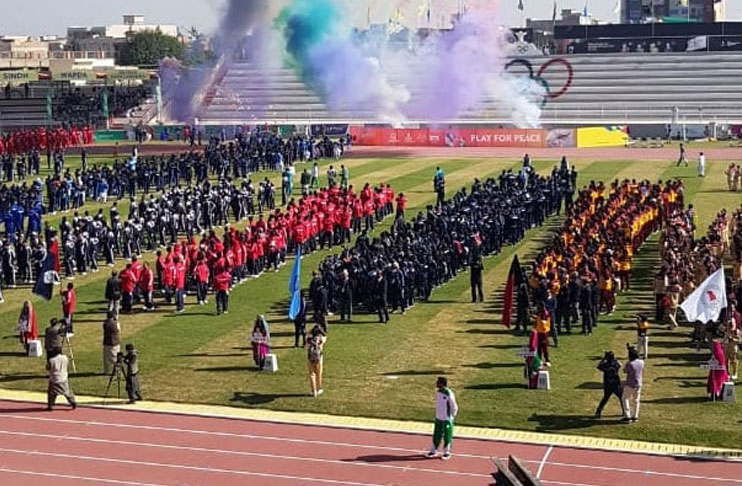
While the Games highlighted Pakistan’s depth of talent and competitive spirit, they also exposed ongoing challenges related to facilities and athlete development.
READ: Pakistan Cricket in 2025: A Year Caught Between Transition and Promise
